The French Dispatch
Episode 3: La Rue du Cinéma
In this slightly delayed but packed episode, Manuela visits the iconic rue Champollion

The French Dispatch
In this slightly delayed but packed episode, Manuela visits the iconic rue Champollion
The French Dispatch
Manuela's first week in Paris, and her Saturday with a special guest — me.
The French Dispatch
Manuela reports back from our hometown and the French cultural conversations she already got a sense of there
The French Dispatch
Welcome to the first ever Animus podcast.
Extras
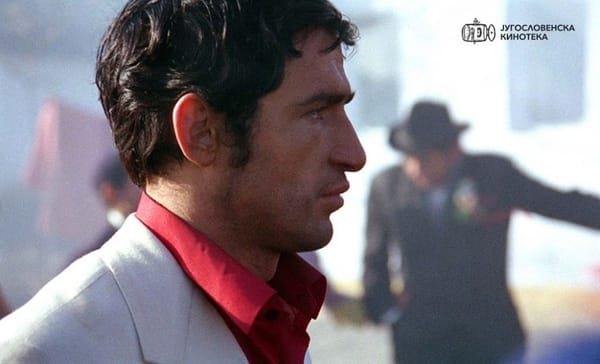
Released in 1967 like Dušan Makavejev’s Love Affair, or The Case of the Missing Switchboard Operator — which I wrote about on the Substack a few weeks back — Aleksandar Petrović’s I Even Met Happy Gypsies was a hit both in Yugoslavia and abroad. Nominated for the Palme d'
Extras
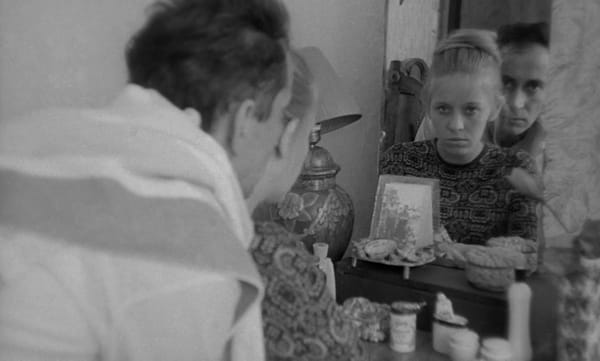
The formal inventiveness and freedom of much of 1960s cinema is so striking, and has been so influential, that it can be easy to forget about the bold experiments with storytelling that also boomed during that period. On top of being a pioneering film shot on the streets of Paris

Extras
William Friedkin’s To Live and Die in L.A. (1985) starts off in a delightfully silly mode, similarly to other unhinged cop movies from the era (Russell Mulcahy’s 1991 film Ricochet comes to mind). But that goofiness later goes awry and everything breaks down, specifically around the time
Extras
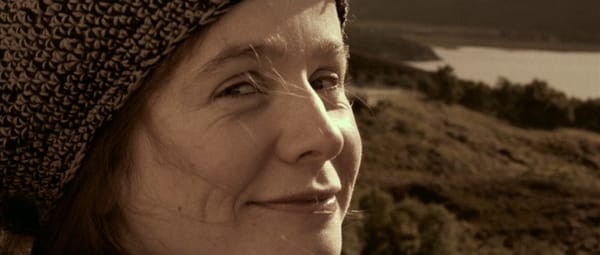
The question of whether there is a God guiding Bess, the protagonist in Lars von Trier’s Breaking the Waves, is the central mystery structuring the film. From the opening wedding scene right until the film's violent conclusion (in which we finally get a pretty conclusive answer about

Extras
Faced with the consequences of climate change and at odds with his awful relatives, the son of a rich bourgeois family decides to become a firefighter. Providing most of the heat however aren’t forest fires but a hot new colleague, and the two embark on a torrid affair that

Essays
Eduardo Coutinho’s film Man Marked For Death, 20 Years Later is a vivid example of his exploratory, equalitarian talking cinema Cabra Marcado para Morrer, or Man Marked For Death, 20 Years Later (1984), is a film that was made, broken down and remade under tremendous pressure and hostility, but
Essays
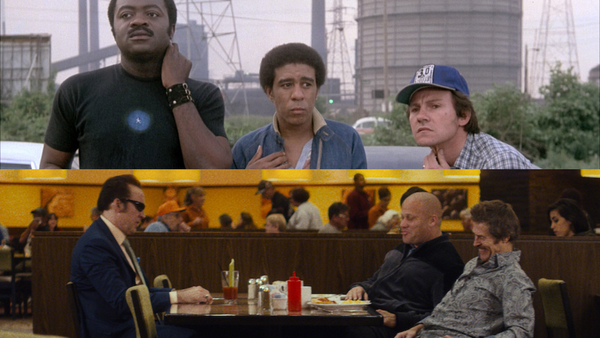
Paul Schrader’s bookends to life in Capitalist America Separated by nearly 40 years, Blue Collar (1978) and Dog Eat Dog (2016), two films in Paul Schrader’s ever expanding body of work, have seemingly little in common. While one is a highly acclaimed film representing the best of the
Essays
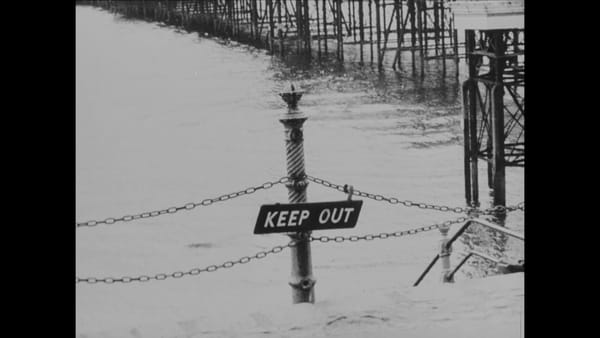
This sixty-year-old short film based on pictures and observations by Henri Cartier-Bresson is a scarily accurate and perceptive portrait of England then and now (still: ©La Cinémathèque Française) “What’s at the bottom of being English? Perhaps the answer is: no. A prohibition, an inhibition, far from whole hearted but