Psycho. #62
Showing films to baby.
Hi Caspar,
I’ve just had a baby and, though it feels a long way off, I’m already daydreaming about future cinema trips and movie nights. I find myself reflecting on a desire to one day bond with this young person over film in a way that I never quite did with my own parents. I don’t want to pressure them into becoming a tiny cinephile (which feels like the surest way to put them off entirely) but I do want to gently cultivate a shared love of watching and talking about movies.
Do you have any advice for how to enable that? Any gateway films, rituals or approaches you’d recommend?
Hello there! Congratulations on the birth of your child, who, as you wisely note, will not always be a baby. I’m always amused by people talking about wanting to have a baby: you do know, don’t you, that you will only have a baby for a very short period of time, and thereafter you will have a child, or more significantly a person; and that very soon you won’t really be said to ‘have’ them, for they will be independent of you in many respects – indeed, that the whole process of their upbringing is, for them, about succeeding in detaching themselves from you in different ways, starting with their ability to feed themselves, then walk, wipe their own arse, dress themselves, etc etc etc. There used to be a series of animal rights ads, produced by The Dog’s Trust, aimed at getting people to respect their pets, whose famous slogan went, “A dog is for life, not just for Christmas.” My sense is that some parents tire of their kid once it starts to do things for itself, demand attention and love and engagement, and can’t be put down for a nap anymore. How inconvenient, to find yourself in possession of a human being!
But #notallparents, as your letter pleasingly reminds me. You have already begun to reflect on ways in which your child will grow and evolve; and I think your language (emphasising bonding and sharing, over imposing or pressuring) is good. You can see that your child will have tastes of their own, and – perhaps – that you will learn from them as well as impart some pleasures of your own. So, what can you expect and hope for, from this relationship, in terms of filmgoing? I think you’re right to be thinking about it already, because films and TV and ‘content’ are changing so rapidly, and you will need to have a loose plan, or at least a few rules with varying degrees of flexibility.
I think a good starting point is probably how your child will watch things from an early age, and for how long; this likely forms viewing habits, a particular relationship to the screen. You may decide you don’t want your kid watching certain things (I would have preferred my kids not to watch the foul copaganda of Paw Patrol, for instance, but struggled to quash the mania); perhaps you will consider, as I do, that watching things on an iPad is too antisocial an activity. Maybe you will allot certain television times. Are you anti-Netflix? Anti-YouTube? My feeling is that it’s probably alright for children to watch a certain amount of idiotic shit, so long as they eventually learn to develop some critical thinking, and you are aware of what they’re watching and can talk about it with them. Not necessarily in a didactic way, but exercising that part of the brain that considers media in some way, rather than letting it wash over them. After all, you and I must have watched any amount of garbage when we were children – crap films, inane TV, whatever happened to be on the box. When I was 10 or 11 my TV diet consisted of a great many French TV quizzes, McGyver and Who’s The Boss and The Little House on the Prairie dubbed into French, and occasional videos at the weekend, of wildly varying quality. For some reason, I saw Smokey and the Bandit (?) at least ten times before puberty. Where were my parents? Smoking cigarettes and reading John Updike, I have no doubt.
In the modern era, I think a difference has to be outlined for children, between the infinite mass of visual fodder available to them at a click, and “proper” films. That could mean making a little ritual out of watching a film together, so that your child doesn’t end up scroll-watching, I don’t know, Mean Girls in installments of thirty minutes. Maybe you could make some popcorn at home, allow your kid to stay up a bit later, bring in blankets. Allow your child to “choose” – not the actual film you’re going to watch, because obviously they haven’t got a fucking clue, but perhaps the genre, or era, of film. Of course, going to the cinema is the best ritual for dividing “cinema” from other fare: the fact of having tickets for something, a one-off screening, and making an excursion of it, contributes to making a possible filmgoer of kids from an early age. Here again, I think it’s worth discussing the film with your kids, to make them understand that this is an art form, that it matters in some way: again, one doesn’t want to be too heavy-handed. I find that my kids often bring the film up of their own accord a few days later – “did the actor actually really do that or was it special effects?” Don’t crowd them. Let it marinate.
Send your questions anonymously to Caspar at this link, no personal information is collected.
Something quite important to consider is that some films will naturally be closed off to children – particularly foreign language films, until their reading comprehension is at a strong level. Your child’s entertainment habits may also mean that certain films are difficult to watch, especially slow cinema. High-octane drama, flashing lights and insanely bright colours that you find in animation nowadays will make it difficult for them to watch older films that are less focused on hitting those adrenaline sweet spots. Nevertheless, I took my older kid to see Battleship Potemkin earlier this year, at the age of 11, and he loved it; it’s a question of preparing children, and letting them settle into the rhythm in their own way.
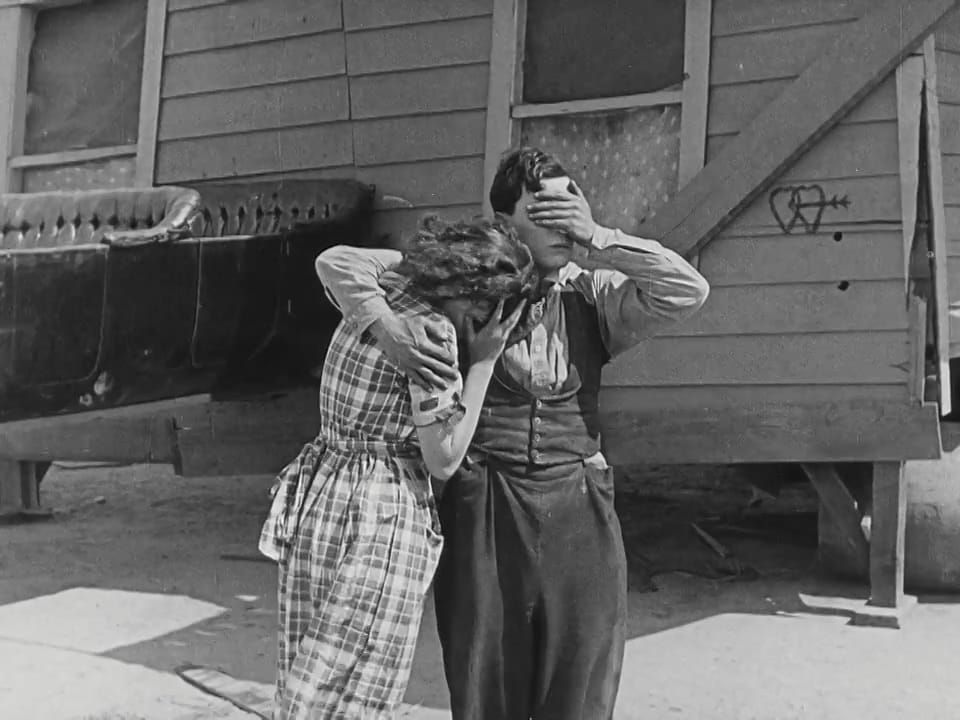
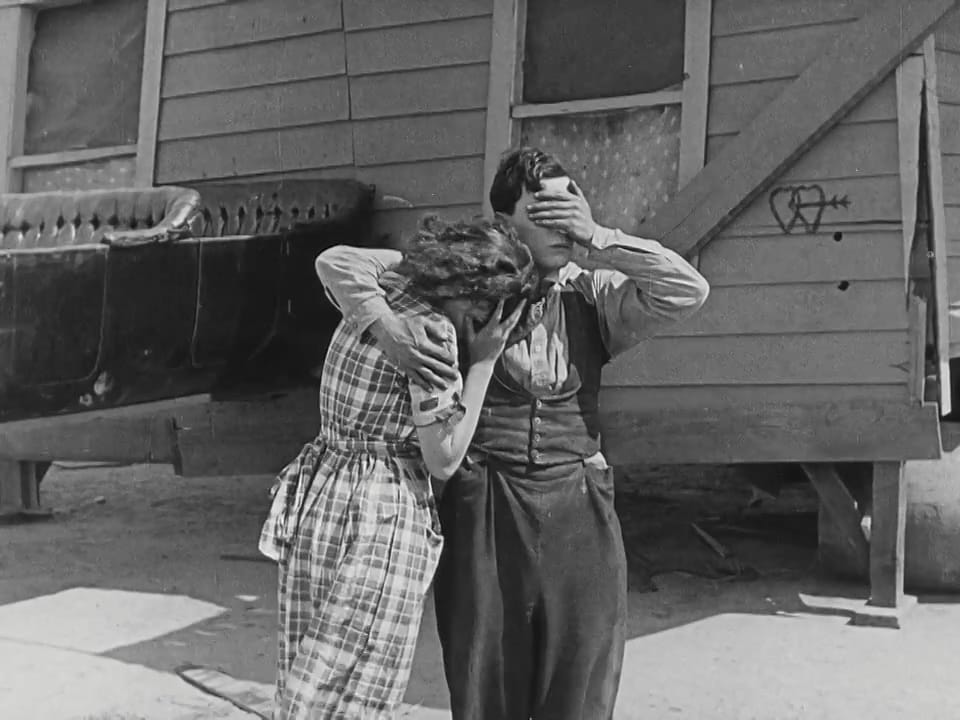
Many fine films are available online – you can watch a lot of Buster Keaton short films on YouTube, for instance, and I promise you they go down a storm with kids, because they are so ingenious, so wonderfully madcap, not to say punk. The idea that Buster Keaton really, really did stand under a falling wall, prompts a kind of effervescent glee in a child, particularly if they’re used to cartoons and cutesy-poo morality tales. I also showed my kids Hedgehog in the Fog, a wonderful example of Soviet animation; again, wait for them to be able to read well. We have been to see a number of films at the Barbican’s wonderful family film club, including Harold Lloyd’s Safety Last, Wes Anderson’s Fantastic Mr Fox, a number of animated shorts, you name it. I don’t know if you have good cinemas near you, but many cinemas now do some pretty decent film programming for young people. I do think we’re in need of a wider, more comprehensive film education for youngsters though, one which would perhaps also give them the media literacy skills they will require to navigate an ever more confusing and dangerous world.
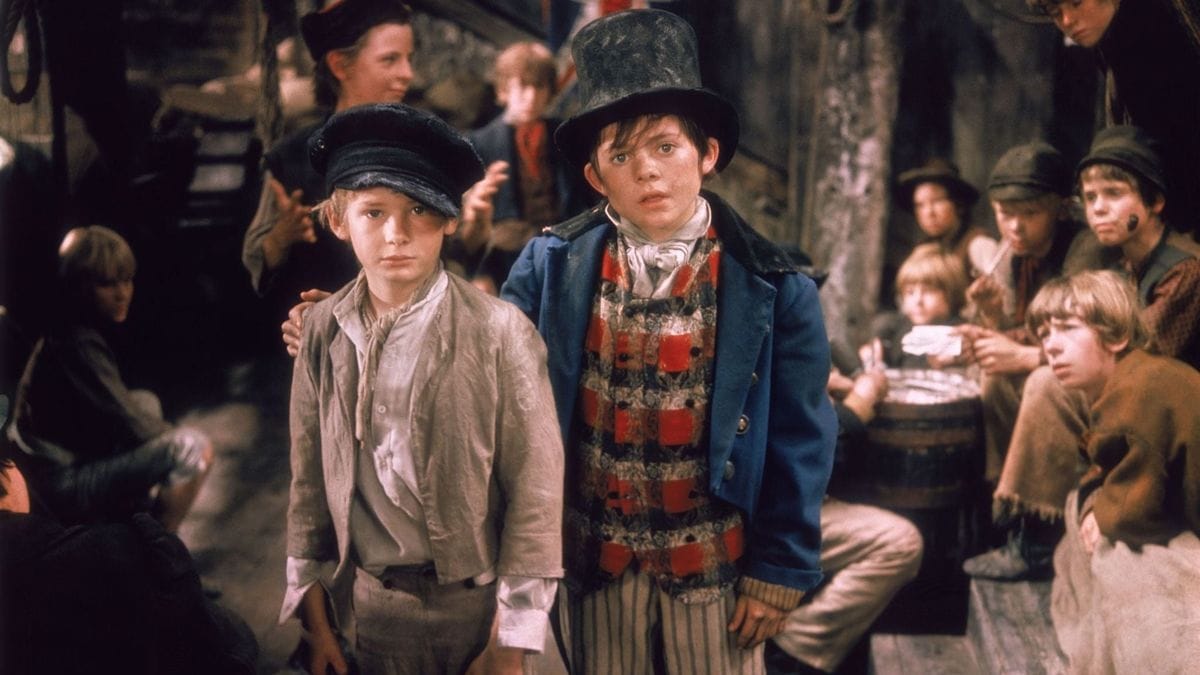
Musicals! They are so fun, and accessible, and there’s always the added bonus that they may turn your child gay. Singin’ in the Rain is a formally seizing film at times, but will hit all the right spots for kids: my younger one loved the slapstick, the older one enjoyed all the studio intrigue and musical numbers, and speaking for myself I had a great time with Gene Kelly’s ass up there on the big screen. Something for everyone! Other films that work for kids include The Sound of Music, Oliver! (a quite wonderful, unfairly underestimated film that is, for my money, the best adaptation of Dickens), Grease of course; Dirty Dancing at a slightly later stage. Dirty Dancing is unjustly lumped in with other “tween” films I think; when you watch it at a later age, you see how acute and funny its depiction of that holiday camp atmosphere is, and in Jennifer Grey it has a truly original lead actor. What else? I was brought up on My Fair Lady, but it is SO long and SO extremely misogynistic; part of your job, as a parent, will be to explain to your kid why we were brought up with so much casually hateful crap. (My children, if watching a film from ‘the olden days’, will sometimes say to me: “I was quite surprised, it wasn’t all that racist!”)
Think about violence and sex. Part of growing up is understanding that sex is a huge component of adult life, and that it is a pleasure in filmgoing; I am not so sure about violence, and the way becoming inured to its depictions is seen as a marker of ‘progress’ in kids. I think children should be shocked by and terrified of violence; should not become simply used to it. But part of filmgoing, equally, is understanding that representations do not merely equal celebration, are not necessarily a violence in themselves; that the relationship between onscreen violence and “real-life” violence is very complicated. You are here to protect your child, but also to help them confront pain, aggression, and their fears. What I try to tell my kids is that films are not real, that the violence they see is pretend – but that, of course, it takes place in a world that is full of violence, and has implications. This means that filmgoing, at least in my view, has a moral dimension.
One last thing: you are, in great part, your child’s guide to the world, but you must also, somehow, find a way to learn from your kid. Try not to have a kneejerk reaction to the stuff they bring to you, which excites them. I often fail in this regard, I think: for instance, I simply do not understand the videogames they tell me about. And I call all the YouTubers they tell me about “losers”. But the kids will start coming across their own things, and it is extremely important that you pay attention, and show them that you are considering their views and tastes, even – or especially – those that differ from your own.
I hope some of these tips are helpful, or at least that you can mull them over. Children have it hard these days – they have to be warned against so much, especially in the era of AI, and all they really want is to have a good time, the poor bastards. But the kids are alright, and you will eventually be in the thrilling position of receiving an education, yourself, that you had not expected.
Send your questions anonymously to Caspar at this link, no personal information is collected.